
 858.488.3998
The Future of Home Electrical Systems: Predictive Maintenance and Next-Gen Safety Tech
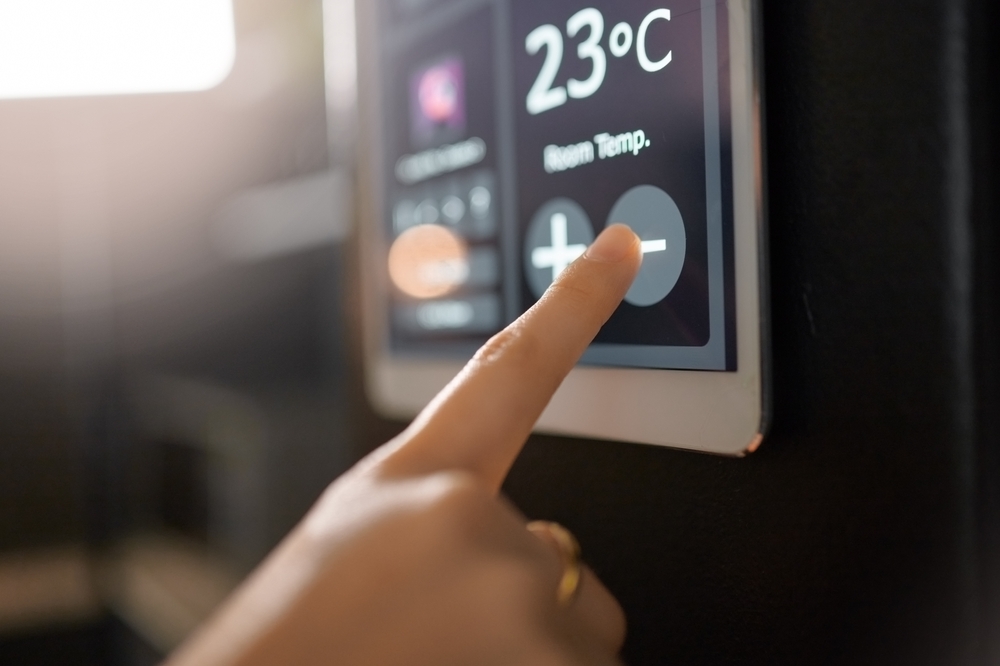
The modern home is changing rapidly, shaped by advances in artificial intelligence, sensor technology, and integrated digital systems. Just as smart appliances and connected devices have transformed the way people cook, clean, and communicate, a new revolution is underway behind the walls and wires of residential properties. Smart home electrical systems are evolving beyond basic convenience, moving toward intelligent self-regulation, predictive maintenance, and advanced safety features that prevent problems long before they become visible. Homeowners are beginning to expect electrical systems that are more reliable, responsive, and intuitive than ever before, especially as the demand for electrical service repair grows alongside the complexity of modern homes.
At the center of this transformation is a shift from reactive maintenance to proactive monitoring. Traditional electrical systems typically reveal problems only when something stops working or when a hazard becomes obvious. In contrast, next generation solutions continually gather data, analyze patterns, and alert homeowners or technicians when abnormalities appear. This creates a safer, more efficient environment while reducing long term costs. Understanding the technology powering this transition sheds light on how deeply it will reshape the future of residential electrical care.
Predictive Maintenance as the New Standard of Home Care
Predictive maintenance has existed for years in industrial and commercial settings, but only recently has it taken hold in residential homes. Unlike routine inspections or emergency electrical service repair, predictive maintenance relies on real time data to anticipate failures before they occur. Smart sensors embedded in circuits, breakers, outlets, and panels monitor variables such as temperature, voltage fluctuations, electrical load, and usage patterns. The data is then processed through machine learning models that identify emerging risks.
For example, a smart home electrical system can detect when a circuit is overheating due to an aging appliance or a loose connection. Instead of waiting for the breaker to trip or for a fire hazard to develop, the system can notify the homeowner through a mobile app. In more advanced setups, the system can even isolate the issue automatically, shutting down the problematic circuit until a technician addresses it.
This approach significantly extends the lifespan of electrical components. Instead of replacing parts only after failure, maintenance becomes a continuous process. Minor issues are addressed early, reducing the likelihood of sudden outages. Predictive technology also helps homeowners better understand their energy usage and potential stress points. For instance, a system may notice that a home office with multiple devices draws more power during certain times of day and recommend redistributing load or upgrading components.
As more homeowners adopt electric vehicles, large battery storage units, and solar power systems, the importance of predictive maintenance increases. These technologies add complexity and create new load profiles that traditional systems may not handle effectively. A predictive smart system ensures that the entire electrical network can adapt, protecting both the home and the investment.
Breakthroughs in Smart Sensors and Integrated Monitoring
At the core of predictive home electrical technology is the rapid improvement of smart sensors. Older sensors were limited to single functions such as detecting smoke, carbon monoxide, or simple temperature changes. Today’s advanced sensors serve multiple roles simultaneously and are small enough to be embedded directly into outlets, breakers, and wiring enclosures.
These sensors collect detailed electrical signatures that reveal subtle issues. Micro fluctuations in voltage might suggest degradation in a wire’s insulation. Irregular temperature swings could indicate a developing arc fault. Even the sound frequencies produced by circuits can now be analyzed to predict failure. This evolution allows electrical systems to mimic biological signs in the human body, where small irregularities often signal deeper underlying concerns.
Integrated monitoring platforms compile sensor data into cohesive dashboards. Homeowners can view the real time status of every major electrical component from their phone. They can monitor power consumption, track the health of their circuits, and receive alerts for necessary electrical service repair tasks. Technicians benefit as well, arriving with a clearer understanding of the specific issue rather than spending time on extensive diagnostics.
Another major advancement is interoperability. Modern sensors and software platforms are increasingly compatible with different brands and systems. This allows homeowners to build an integrated ecosystem rather than relying on proprietary products. As the smart home industry continues to prioritize open standards, sensors will work more harmoniously with home automation hubs and voice assistants. This creates a unified environment where monitoring and automation enhance both convenience and safety.
Automation and AI Powered Electrical Protection
Artificial intelligence has become indispensable in optimizing smart home electrical systems. Predictive maintenance relies on AI to interpret data, but the technology goes further by acting as a defensive layer against electrical hazards. Automated safety systems based on AI can identify abnormal electrical patterns faster and more accurately than a human technician.
For instance, AI driven arc fault detection systems can differentiate between harmless fluctuations and dangerous sparking activity that could indicate a wiring defect. Similarly, automated load balancing technology redistributes power across circuits to prevent overloads. Instead of relying solely on manual adjustments, the system assesses real time demand and updates electrical pathways as needed.
In the near future, homeowners can expect electrical panels that learn from their habits. If a homeowner plugs in multiple high powered devices at once each morning, the system may anticipate this surge and prepare accordingly. AI integration also improves communication with homeowners by offering suggestions. It may recommend upgrading outdated wiring, improving grounding, or replacing a device that repeatedly triggers alerts.
Automated protection reduces the severity of issues that would traditionally require urgent electrical service repair. By ensuring that hazards are caught early and mitigated automatically, the system greatly diminishes the chances of catastrophic failure. This marks a major leap forward in residential safety.
The Expanding Role of Smart Home Ecosystems
Smart home electrical systems are no longer isolated technologies. They are becoming central components of larger connected environments that include HVAC, security, lighting, entertainment, and energy management systems. This interconnected ecosystem enhances efficiency and ensures that a home can respond dynamically to changing conditions.
For example, a smart home system might dim lights and reduce HVAC settings during peak hours based on electrical load predictions. If a power surge is detected, the system can pause sensitive electronics until conditions stabilize. When integrating renewable energy sources, such as solar panels or battery storage, the electrical system can determine the optimal times to store energy, draw from the grid, or use stored reserves.
These ecosystems are particularly beneficial for reducing energy waste. Intelligent power allocation, combined with predictive analytics, helps homeowners use electricity more responsibly. Smart systems also ease the process of managing home upgrades. When a new device is added, the system evaluates its compatibility and impact on load capacity, then adjusts settings automatically.
Homeowners increasingly appreciate the convenience of controlling all systems through a single interface. With voice commands or app controls, they can monitor power usage, schedule maintenance, and adjust settings even while away from home. As these ecosystems evolve, they will form the backbone of future residential infrastructure.
Conclusion
The evolution of smart home electrical systems marks a major turning point in residential technology. Predictive maintenance, advanced sensors, AI powered automation, and integrated home ecosystems are redefining what homeowners expect from their electrical infrastructure. Instead of waiting for something to fail, homes now take an active role in monitoring their own health. Early detection of risks reduces the need for emergency electrical service repair, while intelligent automation enhances both safety and efficiency.
As these technologies continue to mature, homes will become not just connected but intuitively responsive. Electrical systems will adapt to household routines, anticipate performance issues, and cooperate with other smart devices to create a seamless living experience. The future of electrical systems is proactive, data driven, and deeply interconnected, bringing homeowners unprecedented control and peace of mind.
Need a Lighting Company in California?
Since 2003, we here at Utility Incentive Corp. have been the premier provider of energy efficient electrical services in San Diego and the surrounding areas. We are a privately owned and operated business with 20 years of experience. Our friendly and professional staff work in conjunction with other businesses to provide them with better solutions at little to no cost to property owners.
We focus primarily on relamping and retrofitting T12 lamps and ballasts to “Energy Star” T-8 lamps and “flicker free” ballasts. Our other services include a free initial consultation, energy audit, and utility application. Give us a call today to see why we have installed and replaced over 175,000 fixtures across California!