
 858.488.3998
ZINSCO Electrical Panel Upgrades for California Commercial Buildings: What You Need to Know
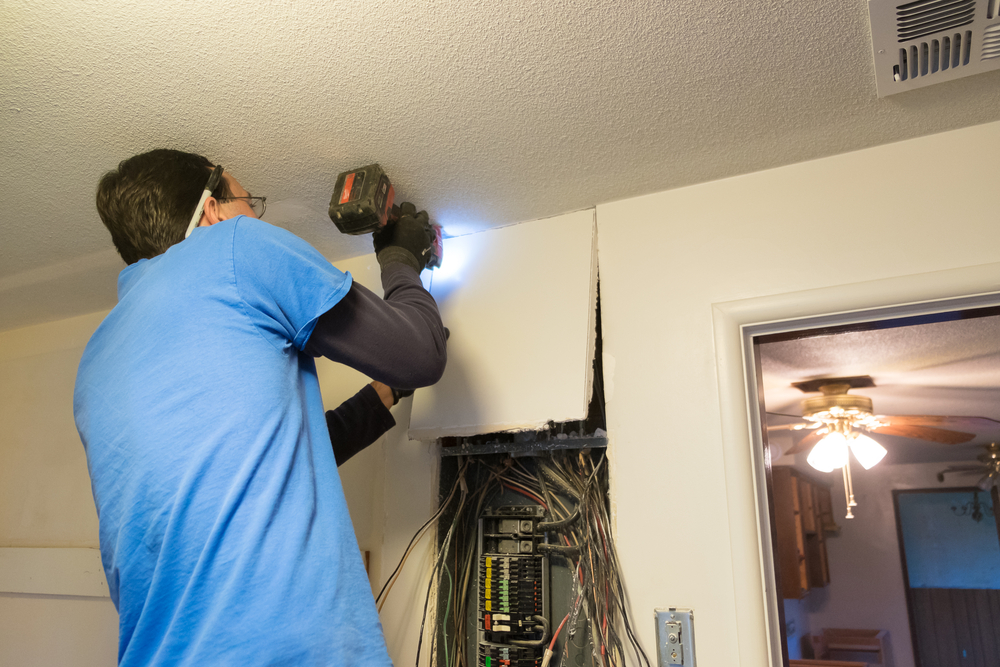
ZINSCO electrical panels, once widely installed in commercial and residential buildings throughout the United States, have become a well-documented safety concern. These panels, originally manufactured in the mid-20th century, were once praised for their sleek design and space-saving features. However, over time, their structural and mechanical weaknesses became apparent. Many electricians and fire safety experts now consider ZINSCO panels a liability, especially in commercial properties where electrical load demands are high and constantly evolving.
One of the most alarming issues associated with these panels is the failure of circuit breakers to trip during overload or short circuits. Instead of cutting off power to prevent damage, the breakers can remain live, allowing electrical currents to overheat wiring and potentially cause fires. This design flaw is often due to deteriorated bus bars, loose breaker connections, or corrosion that impairs the breaker’s contact with the panel. In commercial buildings, where safety and regulatory compliance are paramount, such a risk cannot be taken lightly.
California building codes and electrical safety standards have become increasingly strict in the last decade. The presence of an outdated ZINSCO panel could place building owners at odds with safety regulations and insurance requirements. Many insurers will not renew policies if ZINSCO panels are still in use, citing the fire hazard they pose. The potential for liability in the event of an electrical fire adds further urgency to the need for a commercial electrical panel upgrade in buildings that still rely on this obsolete equipment.
Legal and Regulatory Pressures in California
The State of California has made considerable progress in enforcing modern electrical codes across commercial properties. Commercial buildings are required to comply with the California Electrical Code (CEC), which incorporates aspects of the National Electrical Code (NEC). Both codes mandate safe and efficient electrical distribution systems, and outdated systems like ZINSCO panels typically fail to meet these expectations. Regulatory bodies have increased inspections and penalties for noncompliance, particularly in areas with high commercial density such as Los Angeles, San Diego, and the Bay Area.
Another significant aspect driving ZINSCO electrical panel replacement is California’s commitment to energy efficiency and the integration of renewable energy systems. As businesses transition to solar energy, electric vehicle charging stations, and advanced HVAC systems, the demand on existing electrical infrastructure intensifies. ZINSCO panels are ill-equipped to handle these loads or integrate with modern energy management systems, making upgrades essential for any commercial building aiming to meet environmental benchmarks or qualify for green certifications.
The permitting process for panel replacements in California also requires adherence to detailed standards, including system design, load calculations, and code-compliant materials. For commercial property owners, hiring a licensed electrician familiar with ZINSCO replacement procedures is not just recommended but often necessary to navigate city and county permit requirements. In many cases, electrical upgrades are inspected by both city officials and utility companies before final approval is granted. A proper upgrade helps streamline these inspections and ensures that future maintenance or expansion projects face fewer obstacles.
Choosing the Right Replacement for ZINSCO Panels
Replacing a ZINSCO panel in a commercial setting is not a one-size-fits-all task. Each building has unique electrical requirements based on its size, usage patterns, tenant needs, and future scalability. Choosing the correct replacement panel involves a comprehensive assessment of the building’s electrical load, current deficiencies, and potential for growth. For example, a restaurant or retail space will have very different power needs than a warehouse or medical facility.
Most modern replacements come from trusted manufacturers like Square D, Siemens, or Eaton, all of which offer commercial-grade solutions that meet or exceed current codes. These panels offer greater flexibility for circuit expansion, better thermal management, and enhanced safety features such as arc fault and ground fault protection. Integrating surge protection and remote monitoring systems is also a common feature in upgraded panels, allowing business owners and facility managers to oversee performance and catch problems early.
The installation process usually begins with a detailed load analysis and may include submetering for tenant spaces or specialty equipment. This step is critical to avoid undersizing or oversizing the new system, which could lead to further inefficiencies or safety concerns. During replacement, the old ZINSCO panel is disconnected and removed, with new wiring and grounding systems installed as needed to ensure compatibility. Depending on the scope of work and local permitting, the replacement process may take anywhere from a single day to several weeks, especially if other electrical systems need to be modernized.
Costs and Incentives for Upgrading
Upgrading a ZINSCO panel in a commercial building is a significant investment, but it is one that offers long-term returns in safety, efficiency, and property value. Costs vary depending on building size, electrical complexity, and local labor rates. For a small commercial space, replacement may start at $5,000, while larger or multi-tenant buildings can see costs exceeding $20,000, especially if rewiring or service upgrades are needed. However, these costs must be weighed against the potential losses from an electrical fire or failed inspection.
There are also financial incentives available to offset some of the expenses. California offers a range of programs through state agencies and utility providers that support energy-efficient upgrades, including commercial electrical panel upgrades. Programs under the California Public Utilities Commission (CPUC), such as the Self-Generation Incentive Program (SGIP), may cover part of the upgrade if it supports clean energy systems or enhances grid reliability. Rebates and tax credits for integrating solar systems, EV charging infrastructure, or battery storage can further reduce overall costs.
Insurance benefits also come into play. Many insurers will lower premiums or reinstate coverage for buildings that replace outdated electrical panels. A documented commercial electrical panel upgrade signals to underwriters that the building is less of a liability, potentially improving the building’s insurability and resale value. For property owners seeking to attract tenants, a modernized electrical system can serve as a competitive advantage, offering peace of mind and reduced risk.
Working with Licensed Commercial Electricians
One of the most important decisions in the replacement process is choosing the right electrical contractor. Not all electricians have experience with ZINSCO panel replacements, especially in complex commercial environments. Working with a licensed commercial electrician ensures the upgrade is completed to code, passes inspection, and avoids costly rework. Commercial-grade installations demand a different level of planning and execution than residential jobs, particularly when dealing with multi-phase systems, high-capacity equipment, or continuous operations that cannot be easily shut down.
An experienced contractor will begin by performing an in-depth site evaluation. They will identify code violations, estimate load demand, and help choose the correct panel configuration. Coordination with utility providers, fire marshals, and city inspectors is typically part of the job, requiring familiarity with local jurisdictions and documentation requirements. For occupied buildings, they may also develop phased installation plans to minimize disruption to tenants or operations. Temporary power solutions may be needed to keep critical systems online while the upgrade is in progress.
Before work begins, property owners should request detailed estimates, timelines, and evidence of insurance and licensure. Transparent communication throughout the process helps manage expectations and reduce the risk of project delays. Some electricians also offer preventative maintenance contracts post-installation, which include periodic inspections, thermal imaging, and breaker testing to keep the new system in optimal condition. This added service can help extend the lifespan of the new electrical infrastructure and ensure compliance during future inspections or renovations.
Conclusion
ZINSCO electrical panel replacement is not just a matter of modernizing outdated infrastructure; it is a crucial safety and compliance initiative for commercial buildings in California. As regulatory scrutiny increases and electrical demands evolve, relying on a system known for its failure risks puts both property and lives in jeopardy. The cost of inaction can be steep, from insurance complications and legal liabilities to potential fire hazards and operational interruptions.
Upgrading to a modern electrical panel improves building safety, supports new technologies, and aligns with California’s aggressive energy goals. With access to financial incentives and qualified commercial electricians, property owners have every reason to take proactive steps toward replacement. By addressing these critical upgrades today, building owners ensure long-term value, compliance, and peace of mind. The future of safe and efficient power begins with removing the past’s most dangerous panels.
Need a Lighting Company in California?
Since 2003, we here at Utility Incentive Corp. have been the premier provider of energy efficient electrical services in San Diego and the surrounding areas. We are a privately owned and operated business with 20 years of experience. Our friendly and professional staff work in conjunction with other businesses to provide them with better solutions at little to no cost to property owners.
We focus primarily on relamping and retrofitting T12 lamps and ballasts to “Energy Star” T-8 lamps and “flicker free” ballasts. Our other services include a free initial consultation, energy audit, and utility application. Give us a call today to see why we have installed and replaced over 175,000 fixtures across California!